 License: 1143915
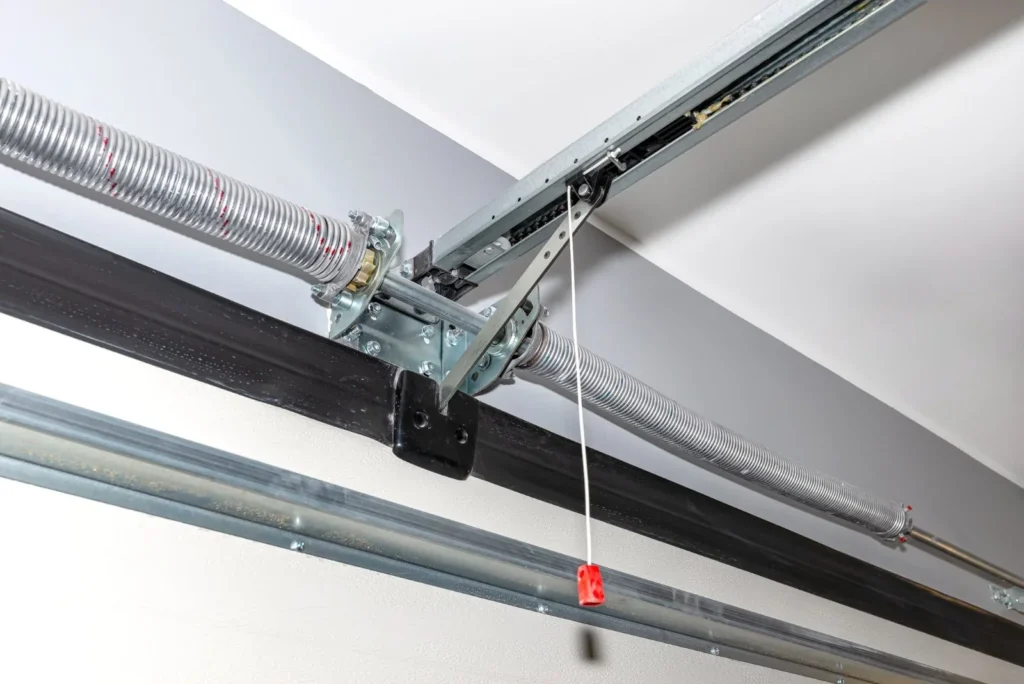
Most standard garage door springs last about 10,000 open-and-close cycles, which works out to roughly 7 to 12 years for the average household. One cycle means the door goes up once and comes back down once, so heavier daily use burns through spring life faster. A family that runs the door six times a day will wear out springs years before a home that opens it twice. Spring size, coating, weather, and maintenance all move that number up or down. If your Bay Area garage door is getting loud, slow, or crooked, call One Stop Garage Doors & Gates at (650) 910-6090 for a straight answer.
Below is a plain breakdown of how spring cycle ratings turn into real years, what shortens a spring’s life here in the South Bay, and the warning signs that tell you replacement is close.
What Is a Garage Door Spring “Cycle”?
A cycle is one full trip: the door opens all the way, then closes all the way. That counts as a single cycle. Spring manufacturers rate springs by how many cycles they are built to handle before the metal fatigues and fails. The two common ratings are 10,000-cycle standard springs and 20,000 to 30,000-cycle high-cycle springs. Because the rating is based on cycles and not years, your actual lifespan depends entirely on how often you use the door.
This is why two identical doors on the same street can need new springs years apart. A retired couple using one car might see 15 years from a standard spring, while a busy household with three drivers and a home gym in the garage might see four or five. The spring did its job either way, it just ran out of cycles sooner.
How Long Springs Last by Daily Use
The table below turns cycle ratings into approximate years based on how many times you open and close the door each day. Count each round trip as one cycle, then find your row.
| Daily use | 10,000-cycle (standard) | 20,000-cycle (high-cycle) | 30,000-cycle (high-cycle) |
|---|---|---|---|
| 2 cycles per day | ~14 years | ~27 years | ~41 years |
| 4 cycles per day | ~7 years | ~14 years | ~20 years |
| 6 cycles per day | ~4.5 years | ~9 years | ~14 years |
| 8 cycles per day | ~3.5 years | ~7 years | ~10 years |
These are estimates for planning, not guarantees. Real-world life shifts with door weight, spring quality, and upkeep. Most Santa Clara and San Jose homes land somewhere in the 4-to-6 cycles-per-day range once you count trips for work, errands, and school runs.
What Shortens Garage Door Spring Life
Plenty of factors pull a spring below its rated cycle count. Some you can control, some you can’t. Here are the biggest ones we see across the South Bay and Peninsula:
- High usage: Every extra daily trip eats into the cycle count, and a busy household reaches the limit fast.
- Cold snaps: Bay Area winter mornings in the 30s and 40s make steel more brittle, and springs often snap on the first cold-morning open.
- Rust and coastal moisture: Damp Peninsula air and foggy nights corrode the coils, and rust creates weak points that fail early.
- Poor or no maintenance: Dry, unlubricated coils grind against themselves and wear out sooner.
- Wrong-size spring: A spring that doesn’t match the door’s weight is overworked from day one and never reaches its rating.
- Door imbalance: A door that isn’t balanced forces the spring to carry uneven load, which speeds up fatigue.
Warning Signs Your Springs Are Near the End
Springs rarely fail without warning. Watch for these signs, and if you spot a few of them at once, book a professional inspection or garage door repair in Santa Clara before the door quits entirely:
- The door feels heavy or won’t stay half-open when you lift it by hand.
- You hear loud bangs, pops, or grinding when the door moves.
- The door opens crooked or one side lags behind the other.
- The opener strains, hesitates, or reverses partway up.
- You see a visible gap in the coil, or the spring looks stretched, rusted, or separated.
- The door slams down faster than usual instead of lowering under control.
A broken spring makes the door dangerous to operate, so stop using it and keep hands and kids clear until a technician can look at it.
Why You Should Replace Both Springs at Once
Many doors use two springs, and when one breaks, the other is usually just as worn. Both springs went through the same cycles in the same conditions, so a second failure is often only weeks or months away. Replacing just one leaves you with mismatched tension and a return visit soon after.
We almost always recommend replacing both springs together during a garage door spring replacement in Santa Clara. It keeps the door balanced, protects the opener from strain, and saves you a second service call. Typical 2026 replacement costs fall in a modest range depending on door size and spring type; call (650) 910-6090 for an exact quote.
Are High-Cycle Springs Worth the Upgrade?
For most Bay Area families, yes. A 10,000-cycle standard spring is fine for light use, but if you open the door six or more times a day, it may only last four or five years. Upgrading to a 20,000 or 30,000-cycle high-cycle spring can double or triple that lifespan for a relatively small difference in price.
High-cycle springs make the most sense for busy households, homes with multiple drivers, or any garage that doubles as the main entrance. Over the life of the door, fewer replacements often means the upgrade pays for itself. Ask us which rating fits your usage when you call.
How to Make Your Springs Last Longer
Good maintenance won’t add cycles to the rating, but it helps the springs reach their full potential instead of failing early. A few simple habits go a long way:
- Lubricate the springs, hinges, and rollers with a garage-door-rated lubricant two or three times a year.
- Test the balance by lifting the door halfway by hand; it should hold in place without drifting.
- Keep the door clean and dry to slow rust, especially if you live closer to the coast.
- Schedule an annual tune-up so a technician can catch imbalance or wear before it becomes a break.
Small habits like these keep the door quiet, the opener happy, and the springs on track to hit their rated life.
For the spring cycle-rating standards behind these lifespan figures, refer to the Door & Access Systems Manufacturers Association (DASMA).
Frequently Asked Questions
How long do garage door springs last?
Standard 10,000-cycle springs last about 7 to 12 years for an average home, but the real number depends on daily use. A cycle is one open and one close, so a door used twice a day can last around 14 years while a door used eight times a day may last only 3 to 4 years. High-cycle springs rated 20,000 to 30,000 cycles last much longer.
How do I know if my garage door spring is worn out?
Common signs include the door feeling heavy by hand, loud bangs or grinding, the door opening crooked, the opener straining, or a visible gap in the spring coil. If you see several of these at once, have it inspected before the spring fails completely. A broken spring makes the door unsafe to operate.
Should I replace both garage door springs at the same time?
Yes, if your door uses two springs we recommend replacing both together. Both springs went through the same cycles in the same conditions, so when one breaks the other is usually close behind. Replacing both keeps the door balanced and saves you a second service call.
Are high-cycle garage door springs worth the extra cost?
For most busy Bay Area households, yes. A 20,000 or 30,000-cycle spring can last two to three times longer than a standard 10,000-cycle spring for a small price difference. It makes the most sense for homes that open the door six or more times a day or use the garage as the main entrance.
Can I replace a garage door spring myself?
We don’t recommend it. Garage door springs hold extreme tension and can cause serious injury if they release unexpectedly. Sizing, winding, and balancing the spring correctly takes the right tools and training, so it’s safer and usually cheaper in the long run to have a licensed technician handle it.
Does cold Bay Area weather affect garage door springs?
Yes. Cold mornings make steel more brittle, which is why springs often snap on the first open of a chilly winter day. Damp, foggy air closer to the coast can also speed up rust on the coils. Regular lubrication and an annual tune-up help the springs hold up through the seasons.
Talk to a Local Garage Door Pro Today
If your springs are aging out or already broken, don’t wait for the door to trap your car in the garage. One Stop Garage Doors & Gates is family-owned, licensed under CSLB #1143915, bonded and insured, and open 24/7 across San Jose, Santa Clara, Sunnyvale, Cupertino, Campbell, Los Gatos, Milpitas, Mountain View, and the wider South Bay and Peninsula. Call (650) 910-6090 for an honest inspection, a clear quote, and spring replacement done right the first time.
Need a Garage Door or Gate Fixed Today?
One Stop Garage Doors & Gates offers same-day service across San Jose, Santa Clara & the South Bay — licensed, upfront pricing, no surprise fees.
Call (650) 910-6090Schedule Online