 License: 1143915
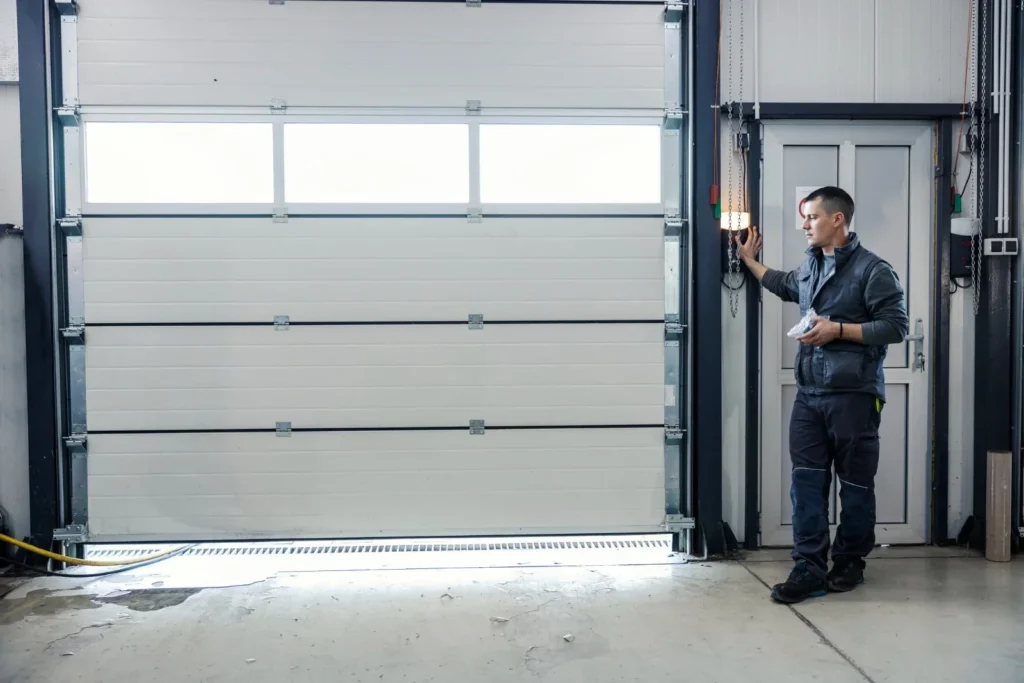
A garage door maintenance checklist keeps your door running safely, quietly, and reliably all year, and most of the work takes only an hour or two each season. For Bay Area homeowners, the core routine is straightforward: test the door’s balance, lubricate the moving parts, inspect the springs and cables, clean the tracks and rollers, and run a monthly safety test on the auto-reverse sensors. Handled two to four times a year, this simple routine prevents the most common failures we see across San Jose, Santa Clara, and Sunnyvale. One Stop Garage Doors & Gates is family-owned, licensed CSLB #1143915, and open 24/7. If a part looks worn or the door suddenly feels heavy, call (650) 910-6090 before a small issue turns into a costly repair.
Below is a full seasonal checklist built for South Bay and Peninsula homes, along with clear guidance on what you can safely do yourself and what should always go to a trained technician.
Why Garage Door Maintenance Matters in the Bay Area
A garage door is the heaviest moving object in most homes, and it cycles thousands of times a year. Regular maintenance keeps it balanced so the opener is not overworked, keeps the safety sensors reversing correctly, and catches worn hardware before it fails at the worst moment.
Local climate plays a bigger role than many homeowners realize. Inland South Bay areas like San Jose, Campbell, and Los Gatos get dry, dusty summers and wide day-to-night temperature swings that dry out lubricant and stiffen rollers. Closer to the coast and the Peninsula, morning fog and marine moisture speed up rust on springs, cables, and hardware. Dust settles into tracks and hinges year-round. Staying ahead of these conditions is far cheaper than an emergency service call.
Your Garage Door Maintenance Checklist (2026)
This is the full garage door maintenance checklist we recommend for Bay Area homes. Use it as a rolling schedule rather than a once-a-year event, since the monthly safety checks are the ones that protect your family.
| Task | How often | Why it matters |
|---|---|---|
| Visual inspection & balance test | Monthly | Catches fraying, rust, and loose parts early; a door that will not stay half-open signals spring wear. |
| Sensor & auto-reverse safety test | Monthly | Confirms the door reverses on contact and when the beam is blocked, protecting kids, pets, and cars. |
| Lubrication of hinges, rollers & springs | Every 3 months | Reduces noise, friction, and wear; Bay Area dust and dry heat break down lubricant faster. |
| Spring inspection | Every 3 months (pro for any repair) | Springs carry the door’s weight and are the most common failure point; they are under high tension. |
| Cable check | Every 3 months (pro for any repair) | Frayed or loose cables can snap; coastal moisture accelerates rust and weakening. |
| Roller & track cleaning | Every 3–6 months | Removes grit that causes grinding and jerky movement; keeps rollers seated in the track. |
| Weatherstripping | Twice a year | Blocks dust, water, and pests; cracked seals let heat and moisture into the garage. |
| Hardware tightening (bolts, brackets, hinges) | Twice a year | Vibration loosens fasteners over thousands of cycles, throwing the door out of alignment. |
| Opener & battery backup | Twice a year | Verifies force settings, remotes, and the backup battery required on California openers. |
How to Run the Monthly Balance and Safety Tests
These two tests take about ten minutes together and are the most important thing on the list. Always start by pulling the red release cord only when the door is fully closed, never when it is open.
- Balance test: With the door closed, pull the manual release and lift the door halfway by hand. A well-balanced door stays in place. If it slams down or shoots up, the springs are out of adjustment and the opener is compensating — a job for a professional.
- Contact reverse test: Lay a solid object, such as a roll of paper towels, flat on the floor in the door’s path. Close the door with the opener. It should reverse the moment it touches the object.
- Photo-eye sensor test: Close the door and wave your leg or an object through the beam near the floor. The door should stop and reverse immediately. Wipe the small lenses on both sides with a soft cloth if they are dusty.
- Force test: As the door closes, hold the bottom edge with a bit of resistance. It should reverse rather than push through your hand.
If any of these tests fail, stop using the opener and have the door serviced. A door that will not reverse is a genuine safety hazard.
Lubrication: The 15-Minute Job That Prevents Most Noise
Most “my garage door is loud” complaints come down to dry, dirty parts. Use a garage-door-rated silicone or lithium spray, not WD-40, which is a cleaner and degreaser rather than a long-lasting lubricant.
Apply a light coat to the hinges, the rollers’ stems and bearings, the springs, and the bearing plates. Wipe the tracks clean with a dry cloth, but do not grease the inside of the tracks — that only attracts more Bay Area dust. In coastal and Peninsula homes, a fresh coat of lubricant on the springs and hardware also helps slow rust from marine moisture.
DIY vs. When to Call a Pro
Plenty of this checklist is safe for a careful homeowner: visual inspections, safety tests, lubrication, cleaning tracks, tightening exposed bolts, and replacing weatherstripping. These are the tasks that keep your door healthy between professional visits.
Springs and cables are a different story. Torsion and extension springs are under extreme tension, and a slip can cause serious injury. Cables carry the same load. Never try to adjust, wind, or replace them yourself. If your balance test fails or a spring looks separated, schedule garage door spring replacement with a licensed technician. The same rule applies to a bent track, a door off its rollers, or a panel that has come apart — that is garage door repair best left to a pro. When the opener grinds, will not respond to remotes, or the backup battery fails, our team handles garage door opener repair the same day across the South Bay.
A Season-by-Season Schedule for South Bay Homes
Spreading the work across the year keeps it manageable and matches the checklist to Bay Area weather.
- Spring: Deep-clean tracks and rollers after the wet season, inspect cables and springs for any rust from winter moisture, and re-lubricate everything.
- Summer: Dry heat and dust are hardest on lubricant, so wipe down and re-coat moving parts, and check that seals have not cracked.
- Fall: Tighten all hardware, test the opener and battery backup, and refresh weatherstripping before the fog and rain return.
- Year-round: Run the monthly balance and safety tests no matter the season — they take minutes and are the ones that keep everyone safe.
Homeowners in Cupertino, Milpitas, Mountain View, and the wider Peninsula follow the same rhythm; only the moisture and dust levels shift by location. If you would rather have a professional handle the seasonal tune-up, we cover the entire South Bay and Peninsula.
For manufacturer-backed care guidelines, the Door & Access Systems Manufacturers Association (DASMA) publishes garage door maintenance and safety standards.
Frequently Asked Questions
How often should I do garage door maintenance?
Run the balance and safety sensor tests monthly, since those protect your family. Handle lubrication, spring and cable inspections, and track cleaning every three months, and do a deeper tune-up with hardware tightening and weatherstripping checks twice a year.
What lubricant should I use on my garage door?
Use a garage-door-rated silicone or white lithium spray on the hinges, rollers, springs, and bearings. Avoid WD-40, which is a degreaser rather than a lasting lubricant. In coastal and Peninsula homes, regular lubrication also helps slow rust from marine moisture.
Can I replace a garage door spring myself?
No. Torsion and extension springs are under extreme tension and can cause serious injury if they slip. Spring and cable work should always go to a licensed technician. Call One Stop Garage Doors & Gates at (650) 910-6090 for a safe replacement.
Why is my garage door so loud?
Most noise comes from dry, dusty rollers, hinges, and springs, or from loose hardware that vibrates as the door moves. A thorough cleaning, fresh lubrication, and tightening the bolts usually quiets it down. Grinding or popping that continues afterward can point to worn rollers or a spring issue that needs a pro.
How do I test my garage door’s auto-reverse safety feature?
Place a solid object flat on the floor in the door’s path and close the door; it should reverse the moment it makes contact. Then close the door again and wave an object through the photo-eye beam near the floor to confirm it stops and reverses. If either test fails, stop using the opener and have it serviced.
Do you offer garage door maintenance in San Jose and the wider South Bay?
Yes. We serve San Jose, Santa Clara, Sunnyvale, Cupertino, Campbell, Los Gatos, Milpitas, Mountain View, and the wider South Bay and Peninsula. As a family-owned, licensed company that is open 24/7, we can schedule a seasonal tune-up or handle urgent repairs the same day.
Schedule Your Garage Door Tune-Up Today
Ready to get your door running smoothly and safely? Call (650) 910-6090 or request service online, and our family-owned team will take care of the rest. We are licensed CSLB #1143915, bonded and insured, open 24/7, and offer same-day service across the South Bay and Peninsula. Typical maintenance and repair costs fall within standard 2026 South Bay ranges — call for an exact quote for your home.
Need a Garage Door or Gate Fixed Today?
One Stop Garage Doors & Gates offers same-day service across San Jose, Santa Clara & the South Bay — licensed, upfront pricing, no surprise fees.
Call (650) 910-6090Schedule Online